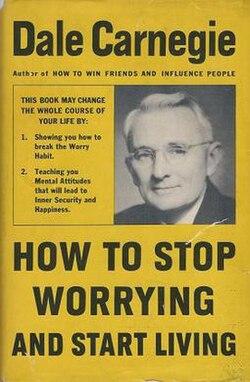
Dale Carnegie’s How to Stop Worrying and Start Living is a practical guide to reducing anxiety by focusing on what truly matters. Inspired by ideas like Thomas Carlyle’s reminder that our main business is to do what lies clearly at hand, Carnegie teaches that peace of mind begins with living one day at a time and refusing to let life slip past in a haze of worry.
Carnegie distinguishes concern from worry: concern is thoughtful problem‑solving, while worry is circular, exhausting, and futile. To break the cycle, he offers a three‑step method: identify the worst possible outcome, accept it if necessary, and then calmly work to improve it. He warns that worry carries a heavy price in health and happiness — a habit worth breaking before it breaks you.
A major theme is mental discipline: wipe from your mind the things you cannot control, and focus instead on clear, constructive action. Carnegie recommends gathering the facts, making a decision, and acting on it without anxiety about the result. He also encourages written problem analysis — defining the problem, its cause, possible solutions, and the best course of action.
The book explores emotional resilience. Carnegie advises against trying to “get even,” noting that revenge harms the worrier more than the target. Happiness, he argues, comes from within: appreciating what you have, adjusting to reality, and counting your blessings. He also reminds readers not to expect gratitude — even Jesus healed ten lepers and only one returned to thank him.
Carnegie highlights the power of kindness. A good deed that brings joy to someone else often brings unexpected joy to the giver too. Helping others shifts attention away from personal worries and builds friendships through genuine interest in their lives.
He illustrates this with a story of a woman who became popular simply by encouraging others to talk about themselves — a habit that made her a better listener and more likeable. Faith, too, can be a stabilising force; Henry Ford used it to avoid needless worry.
Carnegie offers advice on handling criticism: remember that no one kicks a dead dog. Criticism often means you’re doing something worthwhile. Unjust criticism, he says, is best met with a simple laugh — a disarming response that leaves the critic powerless.
For dull or difficult tasks, Carnegie recommends deliberately choosing the right thoughts. Focusing on the positive aspects of any job can make it more enjoyable, reduce worry, and even lead to better opportunities.
Finally, he provides a practical three‑step method for tackling persistent worries: define the exact problem, identify its cause, and take constructive action immediately. If a problem can be solved, don’t postpone the decision.
Carnegie closes with a timeless principle: be yourself, and cultivate the serenity to accept what you cannot change, the courage to change what you can, and the wisdom to know the difference.