We are living in one of the most exciting times in history. The old rules of work are being rewritten. The predictable path of the Industrial Revolution — train, get a job, climb the ladder, and eventually retire — no longer guarantees success or fulfillment. Instead, a new age has arrived: the Entrepreneurial Revolution.
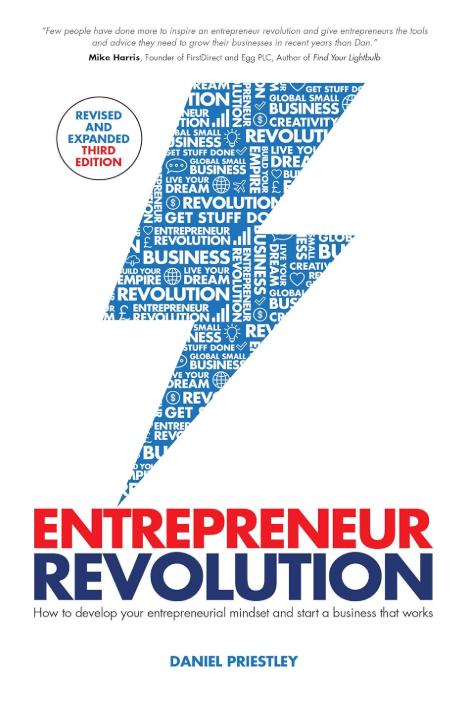
Daniel Priestley’s Entrepreneur Revolution makes a powerful case for why the future belongs to entrepreneurs who embrace change, think differently, and design businesses that truly work in today’s economy. Here’s a deep dive into the key lessons.
The End of the Old Model
For centuries, the world ran on the Industrial Revolution mindset: security came from a steady job, predictable hours, and loyalty to an employer. But technology and globalization have dismantled this model.
Today, people are no longer paid for hours worked. They’re paid for results, value, and creativity. Collaboration is borderless — you might be in London, working with a partner in Sydney and a client in New York, all united by a shared vision.
If you cling to the old way of thinking, you risk being left behind. The Entrepreneur Revolution is about adapting to new opportunities, embracing technology, and creating your own path forward.
Rethinking Work, Life, and Money
Priestley challenges the myths of job security and delayed gratification. A great life, he argues, is made up of great days, not just some distant retirement plan.
He also calls out the difference between a poor mindset and a rich mindset.
- A poor mindset keeps you trapped, exchanging time for money in a job you dislike.
- A rich mindset asks: How can I turn £1,000 into opportunity? It’s not about the cash itself, but about creativity, freedom, and choice.
The best mindset is one where you do what you love, get paid for it, and live as though you’re already retired — because your work feels like play.
Training the Entrepreneurial Brain
Success starts with mindset. Priestley describes the brain in three modes:
- The Reptile Brain — focused on survival and fear.
- The Monkey Brain — caught up in distractions and impulses.
- The Empire Builder Brain — visionary, ambitious, and driven to create.
The goal is to silence the Reptile and Monkey, and activate the Empire Builder. Priestley suggests practical challenges to make this shift:
- Call three people today to test an idea.
- Carry $1,000 in cash to change how you think about money.
- Take people out for lunch without an agenda to build networks.
- Keep a journal to capture ideas and free up mental space.
- Avoid constant news consumption and focus instead on creation.
These exercises aren’t gimmicks — they’re designed to rewire your thinking for confidence, creativity, and connection.
The Entrepreneurial Trifecta: Luck, Reputation, Vitality
Priestley identifies three essential ingredients for entrepreneurial success:
- Luck – created through action, bold choices, and putting yourself in the right rooms.
- Reputation – your personal brand is your most valuable asset, attracting clients and opportunities.
- Vitality – energy, curiosity, and a commitment to doing things at a high standard.
Luck alone won’t carry you, but combined with reputation and vitality, it becomes a force multiplier.
Building Businesses That Work
Not all businesses are built to last. Priestley warns against common pitfalls:
- Relying on a single product.
- Investing too heavily before testing demand.
- Doing too many things at once.
- Building businesses where you’re easily replaceable.
Instead, he introduces the Ascending Transaction Model (ATM), a layered system for creating long-term value:
- Free offers to attract attention.
- Entry-level products to build trust.
- Core offerings to deliver real value.
- Upsells and after-sales services to deepen relationships.
This ecosystem keeps customers engaged, loyal, and inspired, while giving entrepreneurs stable, scalable growth.
Create, Don’t Just Consume
A recurring theme in Entrepreneur Revolution is the importance of creation. Too often, people fall into passive consumption — scrolling, reading, or watching. True entrepreneurs produce: they write blogs, sketch ideas, make videos, publish books, and share insights.
Creation crystallizes ideas, builds authority, and sparks opportunities. Prolific creators become vital — and wealth naturally flows to vital people.
Designing a Life You Don’t Need to Retire From
Priestley emphasizes balance and perspective. Studies show that after around $80,000 per year, more money doesn’t significantly increase happiness. The real measure of success is doing what you love, delivering value, and living a life filled with purpose and vitality.
The Entrepreneur Revolution isn’t just about business strategy — it’s about designing a life that feels rich today, not decades from now.
Final Thoughts
The world has changed. The Industrial Revolution mindset is outdated. In its place is a world full of abundance, opportunity, and freedom for those who embrace the Entrepreneurial Revolution.
Success comes from thinking differently, building win-win relationships, creating prolifically, and staying vital. The future belongs to entrepreneurs who are ready to disrupt, innovate, and enjoy the ride.